
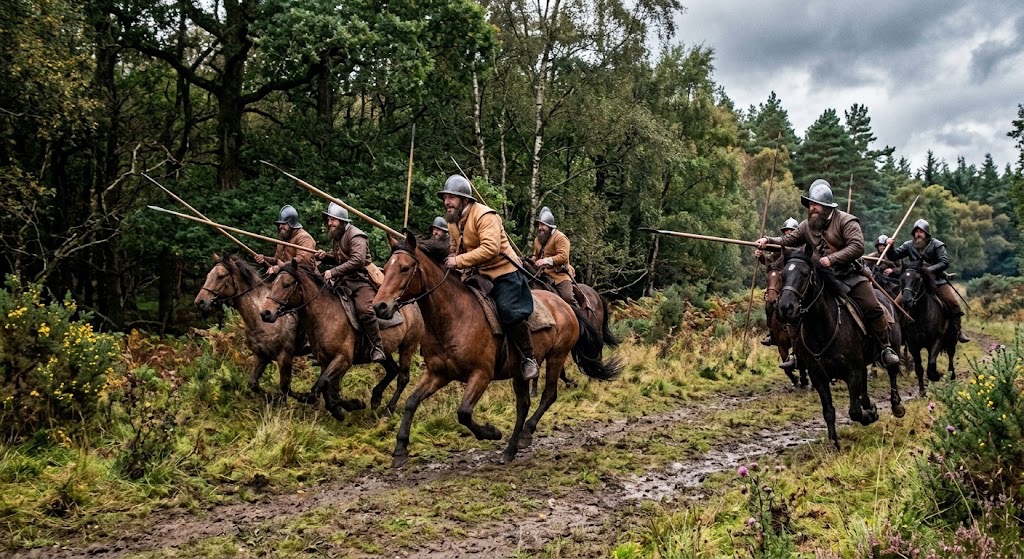
How a quiet Borders village became the setting for one of the defining moments of James V’s early reign
Darnick is a picturesque, quiet village overlooking the River Tweed. Walk through its streets today, and it is hard to imagine that nearly five hundred years ago this land was alive with the sound of charging horsemen, clashing weapons and a desperate attempt to rescue a captive king.
Today, most visitors to the area head to Melrose Abbey, only a mile (1.6 km) away. But few realise that this hillside was home to one of the most dramatic episodes in Borders history.
The lands of Darnick originally belonged to Melrose Abbey, and the village itself is first mentioned in the early twelfth century. Its name comes from two Anglo-Saxon words ‘derne’ meaning hidden and ‘wic’ a dwelling, and has transposed from Dernewic, Dernwic and Darnwick to the present spelling, first recorded in 1124.
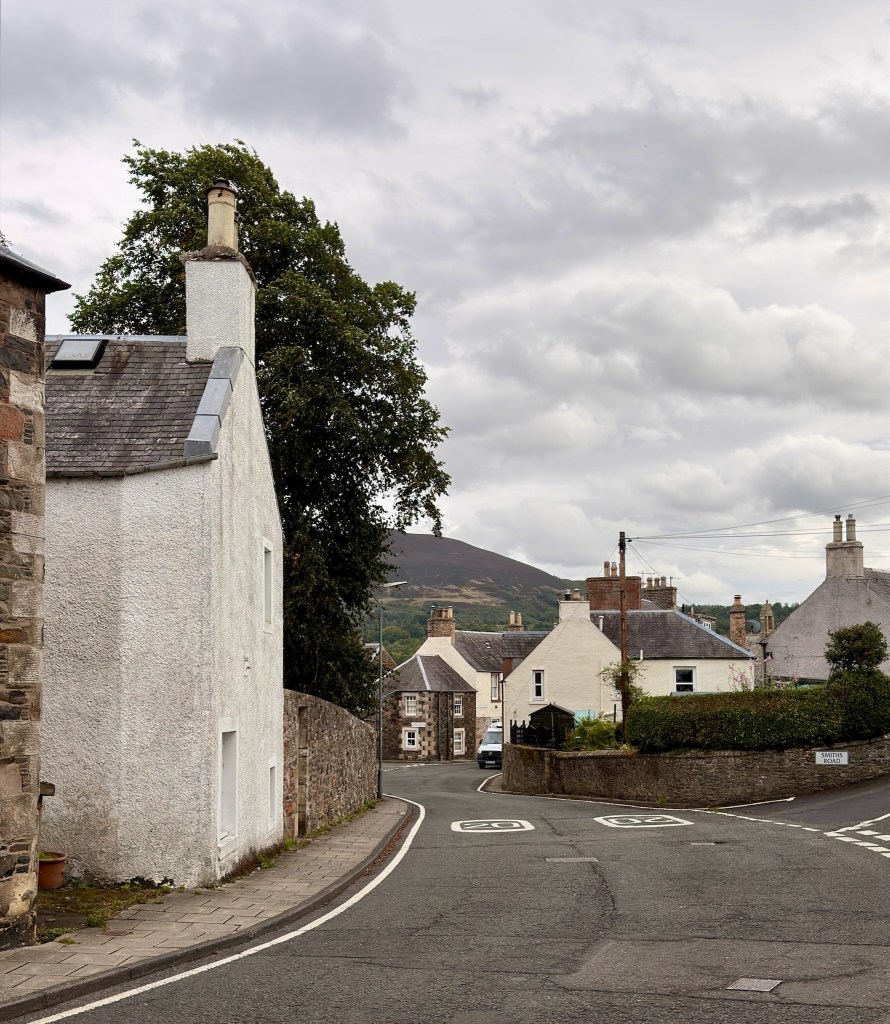
In the later Middle Ages, the Heiton (or Haiton) family occupied the lands. Initially, they were tenants of Melrose Abbey, but after the Reformation, they became tenants of William Maitland, who received the lands from the Commendator of Melrose.
By the 16th-century, Darnick’s association with nearby Melrose Abbey had helped to create a wealthy community. This, together with its strategic position overlooking the River Tweed, had produced a concentration of fortified dwellings in the village. In fact, by the mid 1500s there were three peel towers and some bastle houses, suggesting Darnick was more important than its small size suggested.
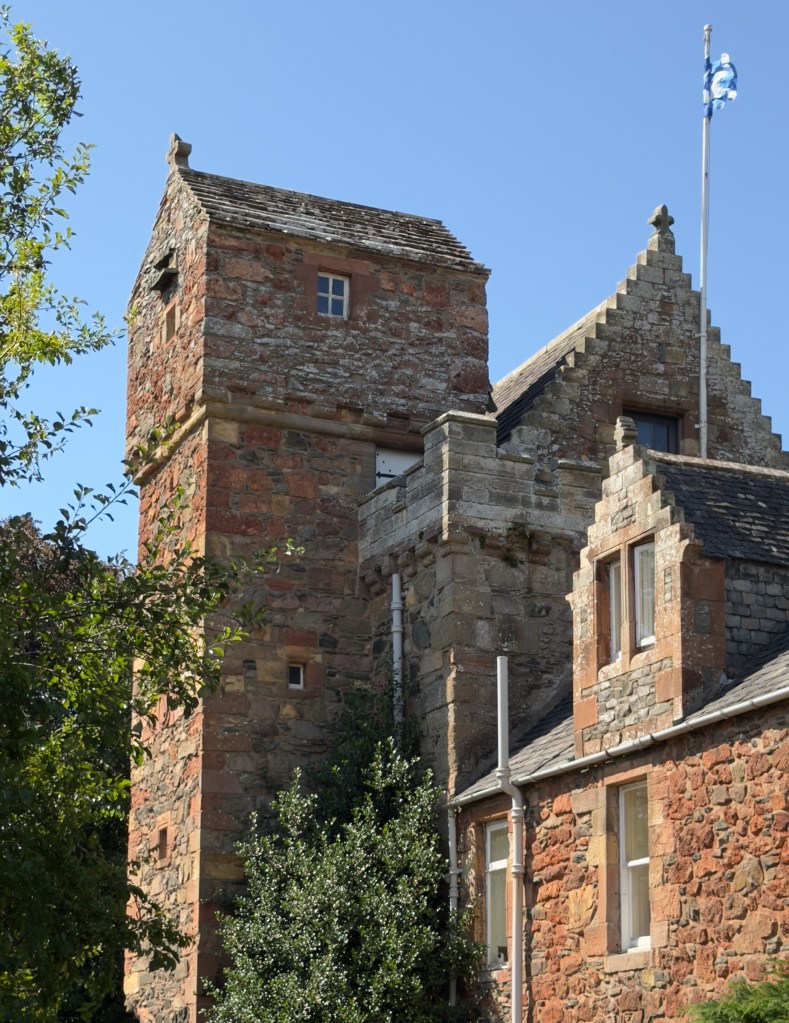
It was the Heitons who built the original Darnick Tower around 1425. Unlike the vast castles of powerful earls, it was a typical peel tower, a defensible home rather than a fortress. Its principal features included thick walls, a vaulted basement for storage, a family hall on the first floor, and sleeping chambers above.
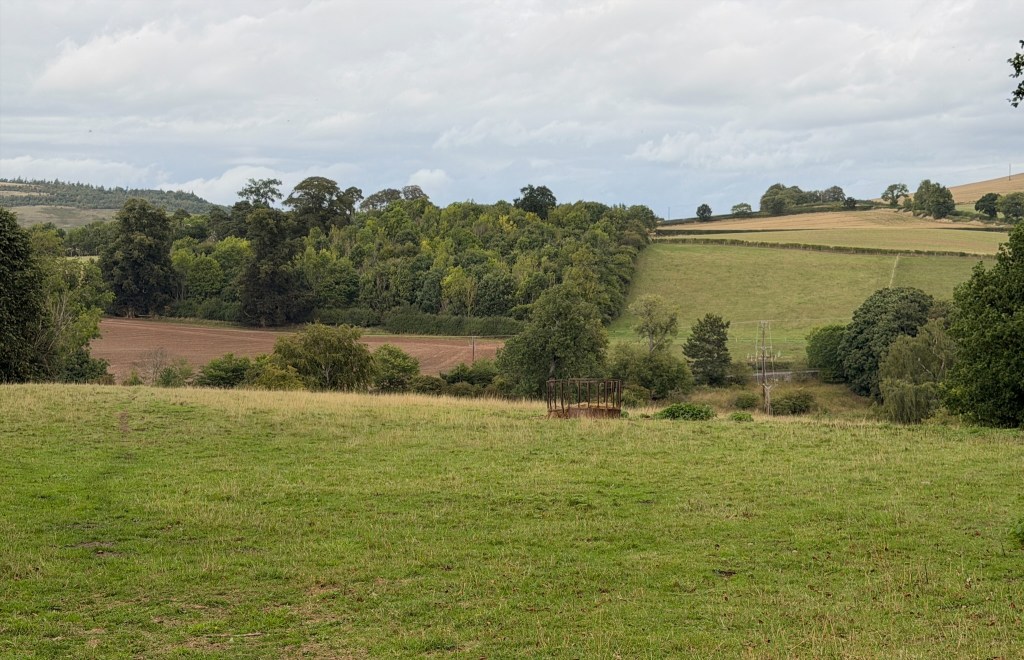
Then, in July 1526, violence came to Darnick. The Battle of Melrose (also known as the Battle of Darnick or the Battle of Skirmish Hill) was fought in the field between the River Tweed and Darnick Tower.
In 1513, after the death of his father, James IV, at the Battle of Flodden, a young James V ascended to the throne. Since he was just a child, successive regents and guardians were entrusted with his upbringing and ruled in his name. Initially, Margaret Tudor, the Queen Dowager, served as regent and guardian, but by 1525, Archibald Douglas, the 6th Earl of Angus, had been appointed as the young king’s guardian.
This guardianship was supposedly arranged as a three-month rotation among the four members of the new Regency Council. However, after assuming custody of James, Angus refused to hand him over to the next guardian, the Earl of Arran.
After more than a year with Angus and feeling exhausted by what was essentially his informal confinement, James reached out to Sir Walter Scott of Buccleuch, asking him to try to secure his release. Following a visit to Jedburgh for a Justice ayre, the king was on his way to Edinburgh, accompanied by Angus and his men, when the battle erupted.
The two armies both consisted largely of border reivers, with Kerrs, Douglases and some Maxwells supporting Angus, against perhaps some 600 Scotts and Elliotts.
Young James V himself probably saw the battle from Darnick Tower.
Scott of Buccleuch led his men down from Hellidon Hill (now called the Eildon Hills) to intercept Angus. It is believed Buccleuch approached, claiming he was there to offer hospitality to the young king and show how many men he could raise for him. When Buccleuch refused to withdraw, Angus attacked his force. The battle’s outcome remained uncertain until Lord Hume arrived with 80 Kerrs. The reinforcements shifted the tide in Angus’s favour, causing the Scotts and Elliotts to begin retreating.
There was a brief pursuit, and in the course of this Andrew Kerr of Cessford was killed by one of the Elliotts in Buccleuch’s force, sparking one of the Border’s most bitter and long-running feuds.
The Battle of Darnick was a turning point where James V and his allies took steps to try and break free from Angus’s influence. On September 4 of that year, the Battle of Linlithgow Bridge occurred, as anti-Douglas forces again tried—and failed—to rescue young King James from the Earl of Angus. It took another two years before James managed to escape, reclaim his royal authority, and ultimately oust Angus from Scotland.
After Buccleuch’s attempt to free James failed, he was exiled and fined £10,000 (Scots) for his participation in the incident. However, he was formally pardoned in February 1528 and then by an Act of Parliament in September of that year. He was eventually killed in the street in Edinburgh in 1552 by a group of Kerrs taking revenge for the death of Andrew Kerr of Cessford in the aftermath of Darnick.
Almost two decades after the Battle of Melrose, violence visited Darnick once again. Henry VIII of England sent his armies into southern Scotland in an effort to force through a marriage agreement between the infant Mary Queen of Scots and his own son, Edward. In 1545, the invading army, led by the Earl of Hertford, devastated the central Borders. Melrose was burned, and many fortified houses were destroyed. Darnick Tower was recorded as having been “burnt and cast down.”
The destruction was widespread. Hertford deliberately targeted settlements capable of supporting Scottish resistance, and his methods were thorough.
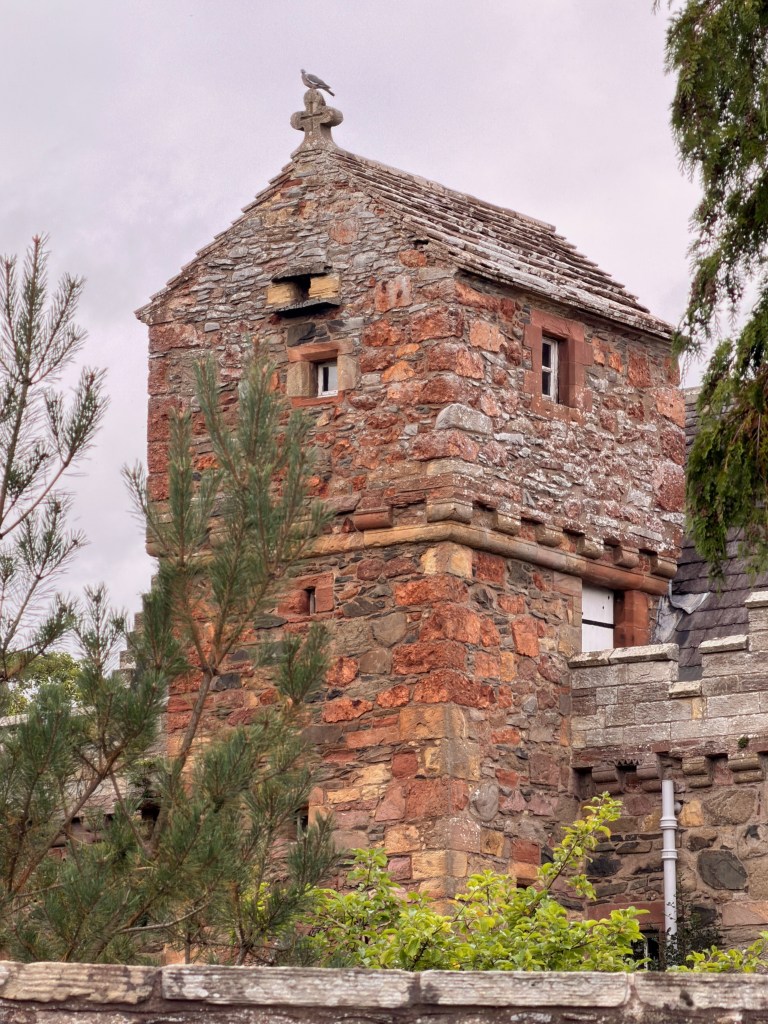
Yet despite this, the Heitons had rebuilt the tower by 1569. Three years earlier, Andrew Heiton had been granted a crown charter of the lands; and one outcome was the Darnick Tower we can still see today.
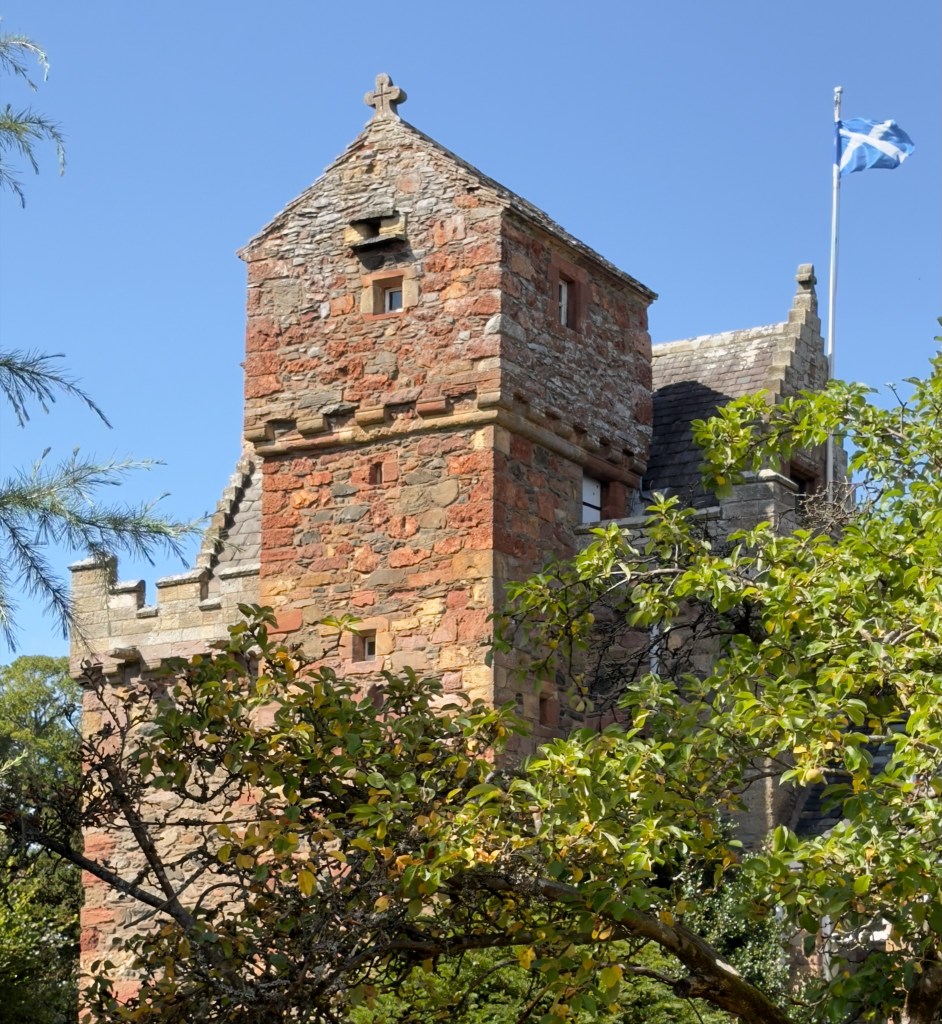
It is built of local rubble with dressings of red and cream sandstone. It follows a T-shape layout with the wing being a stair tower. The main block measures 9.4 metres by 6.7 metres, with walls up to 1.5 metres thick. Originally, the walls would have been harled (an early form of render).
The tower consists of three storeys and a garret, although the stair tower rises another storey, terminating in a cap house. The parapet-walk and above were remodelled in the 1800s.
Originally, the tower’s basement was vaulted, but this collapsed and was never replaced. Instead, the room was converted into a kitchen, with an entrance to the new east wing which was added in the 1820s.
The Heitons remained in possession of Darnick Tower until late in the 20th century.
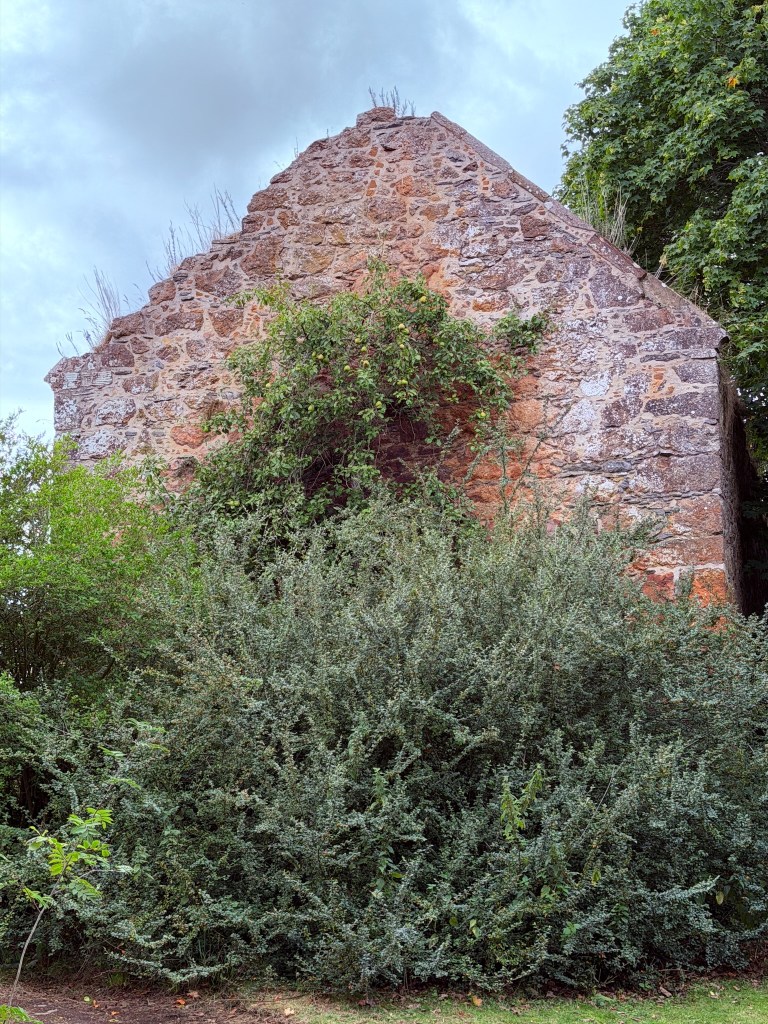
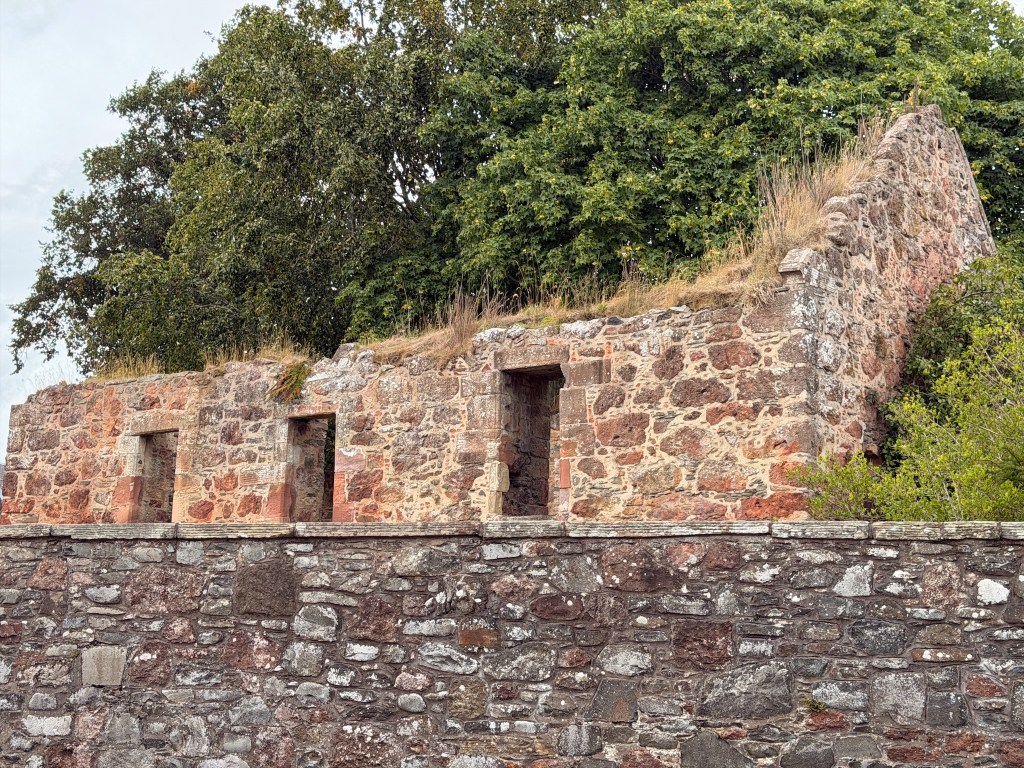
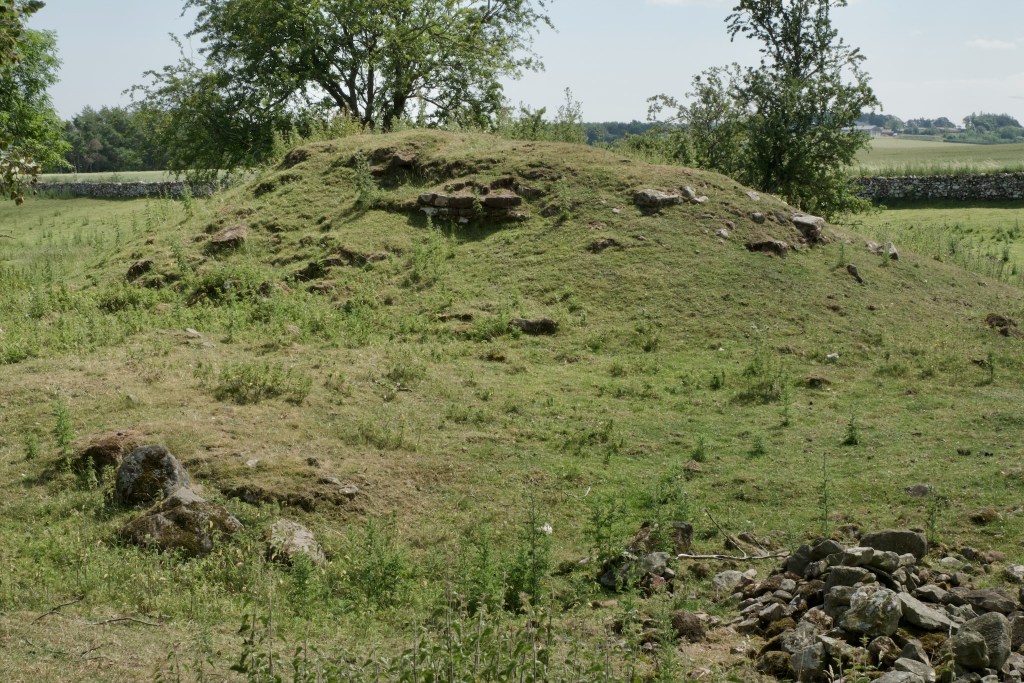
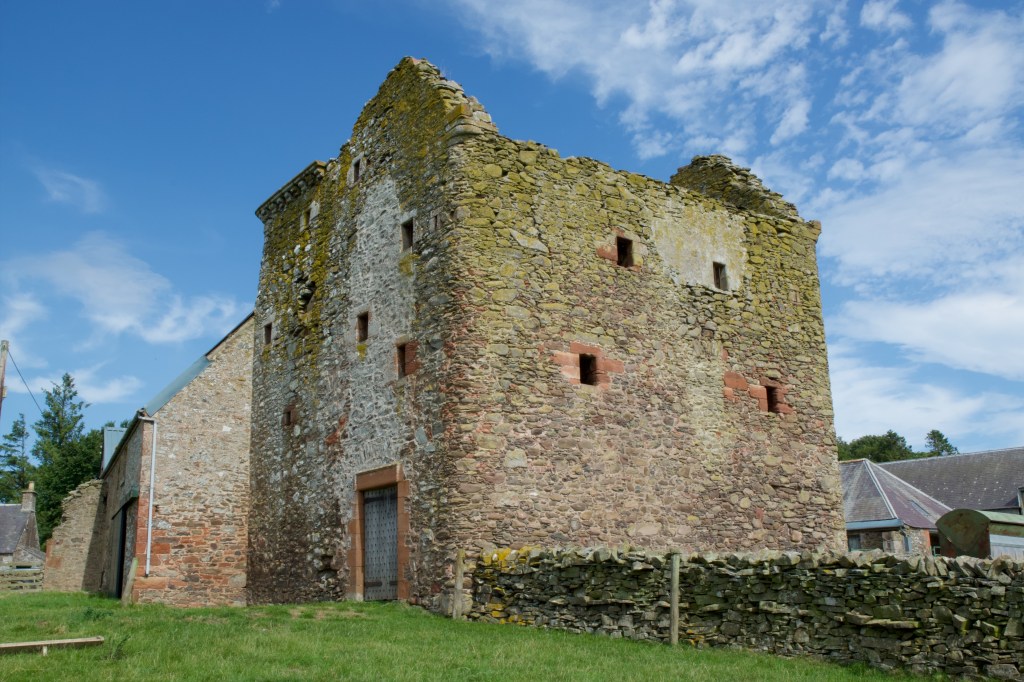
Only a stone’s throw from Darnick Tower is the ruin of Fisher’s Tower. The exact construction date is unknown, but the evidence suggests the early or mid-sixteenth century, making it somewhat later than Darnick Tower.
The tower belonged to the Fishers of Darnick, a family who appear frequently in Melrose and Borders records from the sixteenth and seventeenth centuries. Unlike the Scotts or Kerrs, the Fishers were not great Border magnates. They were prosperous local lairds and landowners, holding substantial lands around Darnick
One of the strongest historical links between the two towers is through marriage.
When Andrew Heiton rebuilt Darnick Tower after its destruction during the Rough Wooing, the entrance lintel was carved with the initials AH for Andrew Heiton and KF for Katherine Fisher.
Most historians accept that Katherine (Kate) Fisher came from the Fisher family of Fisher’s Tower. So two neighbouring lairdly families strengthened their links through marriage.
A third tower, known as Little Peel, also stood in Darnick but has long since gone. Two other fortified houses, probably two-storey bastle houses, were also demolished some time ago.
Interestingly, Sir Walter Scott, the famous writer, had a great liking for the tower, and even tried to buy it. The Heiton family said no, but Scott did manage to purchase most of the nearby land.
Today, Darnick House is still privately owned, so viewings are not possible. But both it and the nearby ruins of Fisher’s Tower can be seen, partially, from the road. A closer look at the exterior might also be possible when any public events are held in the tower’s grounds.
Darnick is remarkable not just because of its beautifully preserved tower, but because it has such an interesting history. This small village combines stories of local lairdly families, Border Reivers, royal politics, civil conflict, the Rough Wooing and Sir Walter Scott. That’s quite a legacy for such a peaceful and pretty Scottish village.
Darnick Tower: OS National Grid Reference NT 53202 34375
Fisher’s Tower: OS National Grid Reference NT 53204 34339
(Note: The featured image at the top of this post has been created using ai.)
Further reading
Alistair Maxwell-Irving, 2014, The Border Towers of Scotland 2 (Maxwell-Irving)
Historic Environment Scotland Portal Battle of Darnick
Douglas Archives Battle of Skirmish Hill
Stravaging Around Scotland Fisher’s Tower
Aubrey Research Battle Of Darnick




Leave a Reply