

Hidden in the shadow of the main A1 trunk road and above the steep ravine carved by Tower Burn stands the overgrown ruin of Cockburnspath Tower. In its prime, it was connected to some of the region’s most influential border families, especially the Earls of Dunbar and March, the Humes, and the Douglases. The tower’s long history mirrors the ongoing control of the Scottish Borders during the turbulent 15th and 16th centuries.
There is disagreement over when the tower we see today was built. Some say it was constructed in the 14th century by the Earls of Dunbar and March. However, others suggest that the tower dates from the 15th century and may have been the work of Sir Patrick Hume of Fast Castle. Indeed, he was granted the lands in 1488 (see below), but some of the tower’s features favour an earlier date. It is also possible that the tower results from both periods, with the later construction incorporating elements of the earlier one.
Either way, the site was strategically placed, guarding a vital route along the east coast from England.
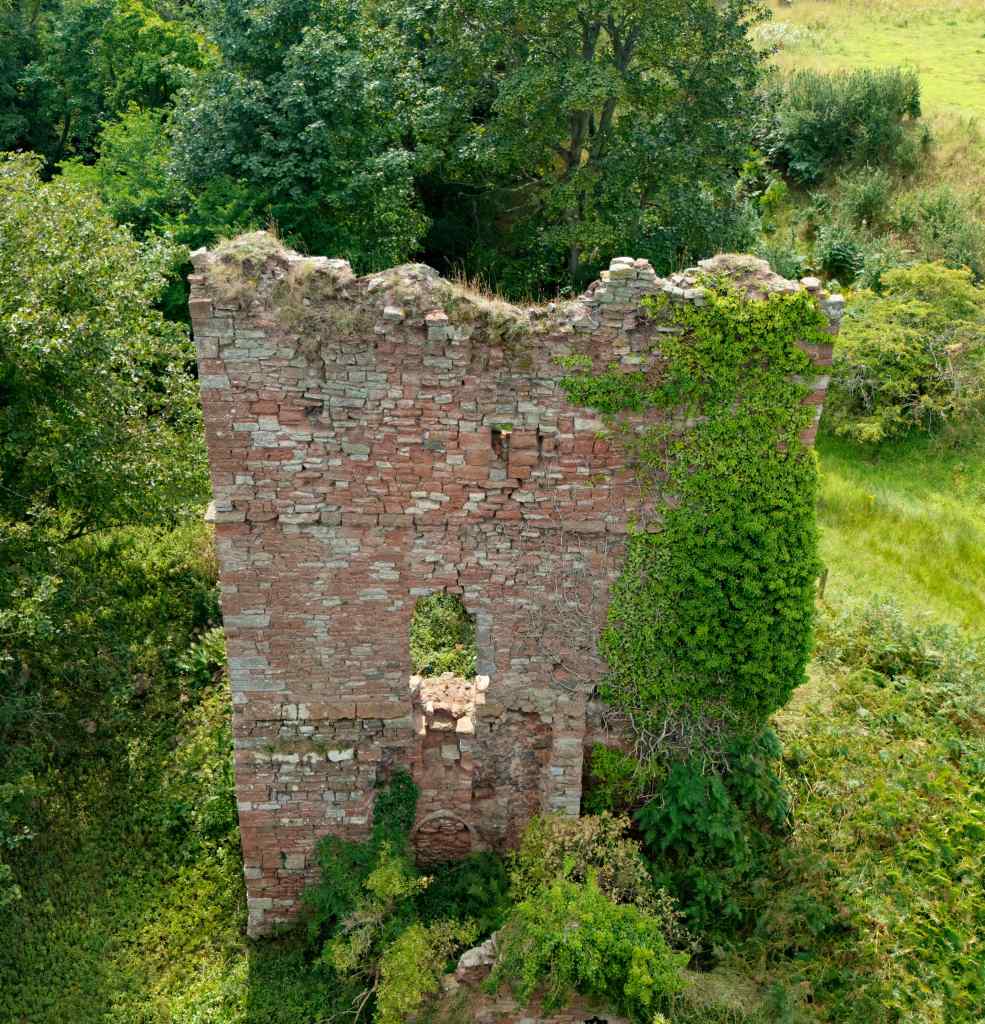
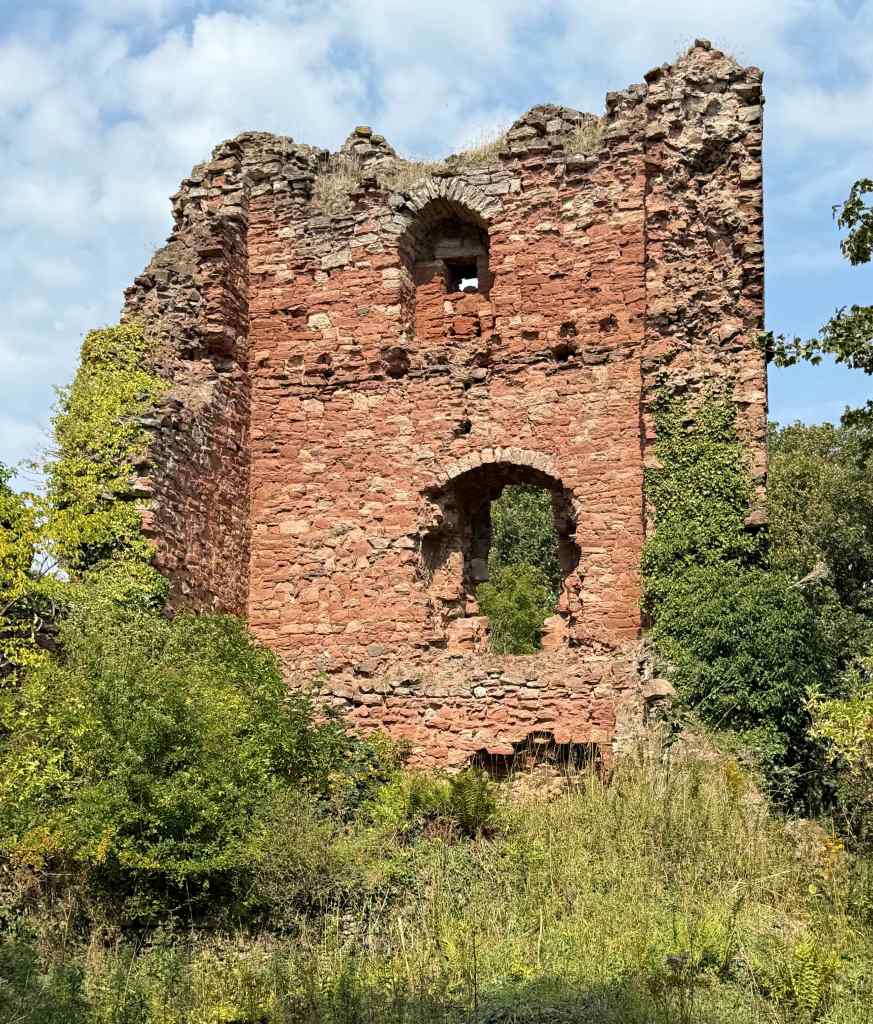
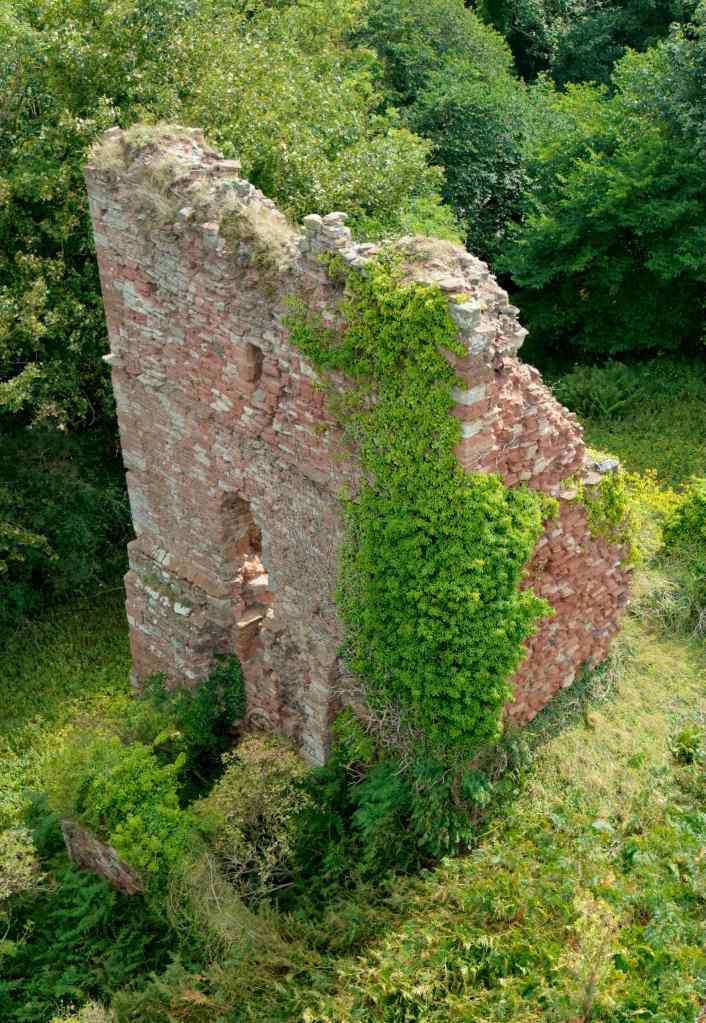
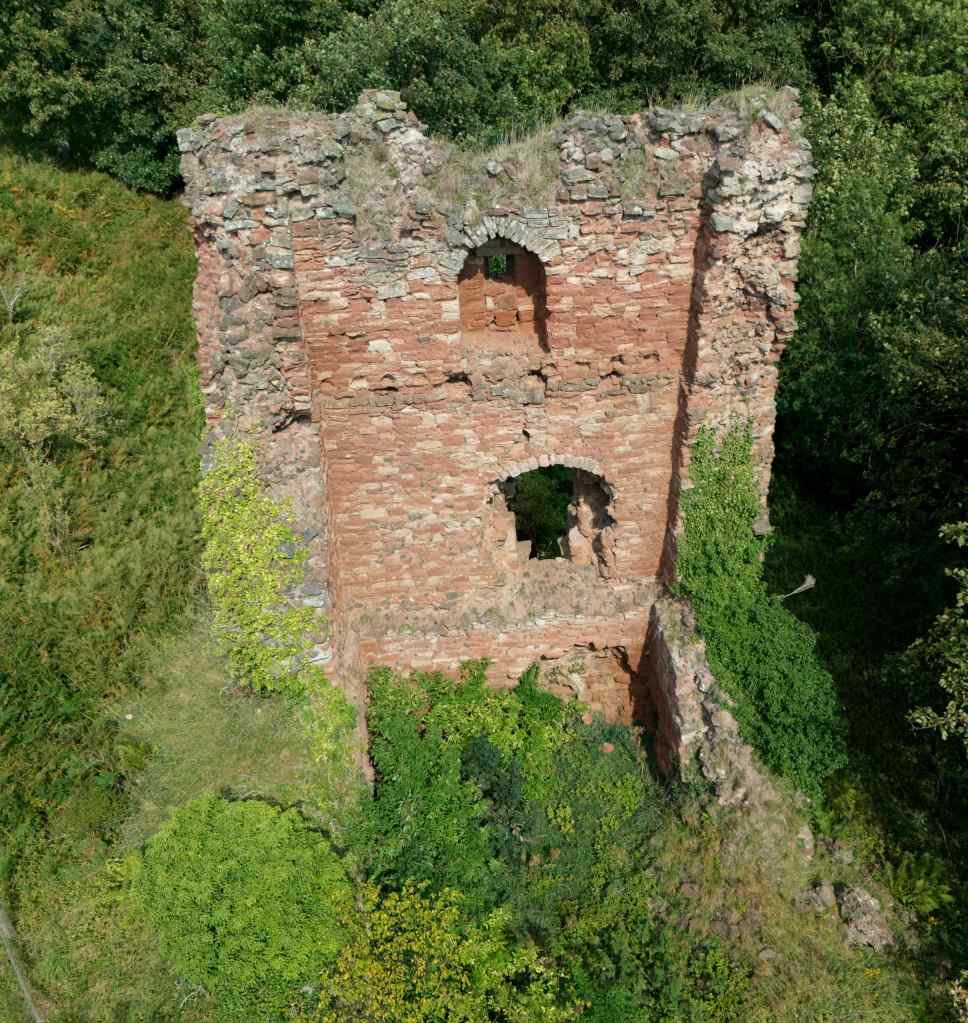
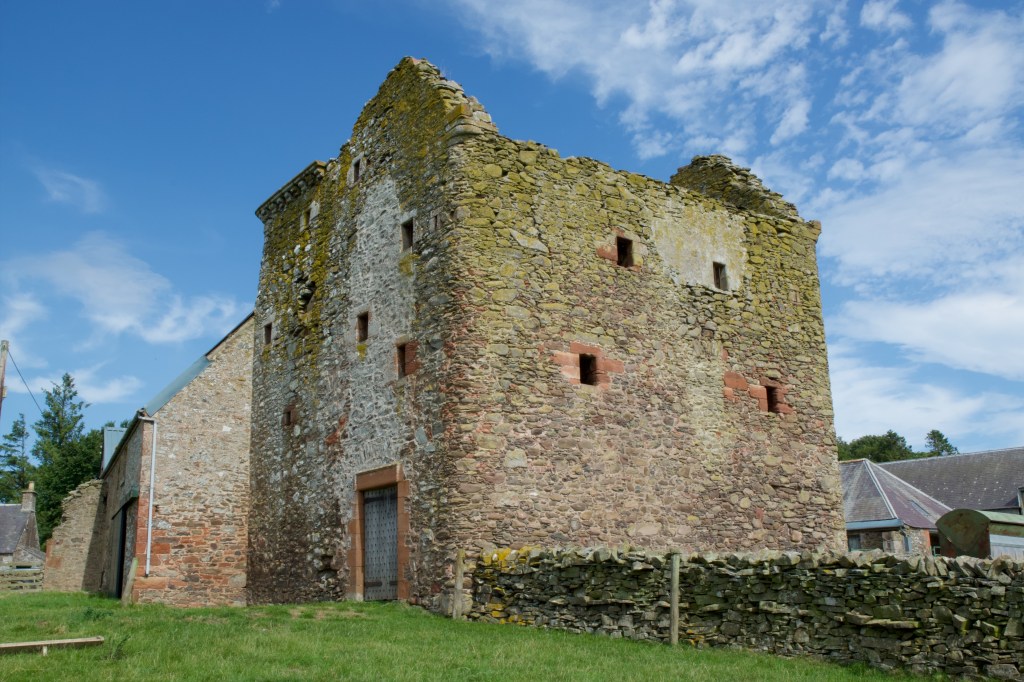
Cockburnspath Tower was built in an L-plan, with an almost square main block measuring 10 x 9 metres. A small wing at the south-east corner contained a spiral stair, although all traces of the stair have since gone. It was built of red sandstone rubble with dressed margins, and may have reached a height of four stories.
Unlike many other L-shaped towers, where the entrance is in the re-entrant angle, there is an original entrance doorway near the middle of the north wall. The barmkin was on the north and east sides of the tower. Some very ruinous remains of vaulted outbuildings can be found, but while contemporary, they were built much later than the tower itself.
The land of Cockburnspath (formerly known as Colbrandspath) was held by the Earls of Dunbar and March from as far back as 1073. They were among the most powerful noble families in medieval Scotland, ruling huge territories in East Lothian and the eastern Borders. But a sequence of political betrayals and shifting allegiances during the wars between Scotland and England in the late 14th and early 15th centuries ended badly for the Dunbars.
The 10th Earl, George Dunbar, quarrelled bitterly with King Robert III and defected to the English. Under the protection of Henry IV of England, he fought for the English against the Scots, and this act of treason resulted in the forfeiture of his Scottish titles and lands.
The new king of Scots, James I, later restored some lands, but George’s son, the 11th Earl, also fell from favour, accused of having English sympathies. Subsequently, in 1435, Parliament declared all Dunbar lands and titles forfeit to the Crown. The forfeiture included their estates in Berwickshire — notably Cockburnspath, Coldingham, and Dunbar Castle. At this point, Cockburnspath became a royal barony, managed by a Crown steward. This was most likely Sir David Hume of Wedderburn.
In the mid-15th century, the Cockburnspath estate was granted to the young Alexander Stewart, a son of King James II. Alexander would later become the Duke of Albany, a controversial figure who made two unsuccessful attempts to seize the Scottish crown for himself.
During some or perhaps all of this period, Cockburnspath Tower may have remained under the stewardship of the Humes, underlining its strategic importance to the crown.
But not surprisingly, because of his treason, Albany’s claim on Cockburnspath Tower was forfeited. Subsequently, Sir Patrick Hume of Fast Castle was granted the lands of Cockburnspath in 1488.
Then, early in the 16th century, the barony of Cockburnspath was included in Margaret Tudor’s marriage dower when she wed James IV. This was part of the diplomatic settlement known as the Treaty of Perpetual Peace between England and Scotland. This critical connection is commemorated locally by the mercat cross in the village, which is decorated with the thistle of Scotland and the Tudor rose.
After James IV’s death at the Battle of Flodden (1513), Margaret married Archibald Douglas, 6th Earl of Angus, who claimed the barony in her name, entangling the property in future dynastic struggles.
Not surprisingly, the mid-16th century saw the tower tossed between rival feudal powers, functioning as a barometer of Borders instability. It passed through the hands of the Humes, Sir Walter Ogilvie of Drumbigins and the Sinclairs before the powerful ‘Red’ Douglases acquired it from the Sinclairs in 1546. This period was marked by constant internal feuding, particularly between the Douglases and the Humes, even as they faced the constant threat of English invasion.
It is said that in 1546, 3000 Douglas troops were stationed around Cockburnspath during the feud with the Humes. However, a more likely reason for the large troop numbers was to defend the route into Scotland from English invaders during the Wars of the Rough Wooing. What’s more, many historians believe the figures are exaggerated.
Royal authority finally reasserted itself under James VI. In 1593/1594, James VI seized the tower and annexed the lands, likely as punishment for treasonous activities by the Douglases. John Arnot received a ratification for the lordship shortly thereafter and held it until about 1621, when it was sold to the Nicolsons.
As early as 1612, the tower was recorded as being “much disused”. It was eventually abandoned when the property owners, first the Arnots and then the Nicolsons, moved to Cockburnspath House in the village, marking a final shift away from the high-security, medieval keep toward a modern domestic structure.
By the late 17th century, the property, including the ruinous fortalice, was held by Sir John Hall of Dunglass, who appears to have neglected the site.
Despite these numerous changes in ownership and occupation, Cockburnspath Tower remained essentially a military outpost.
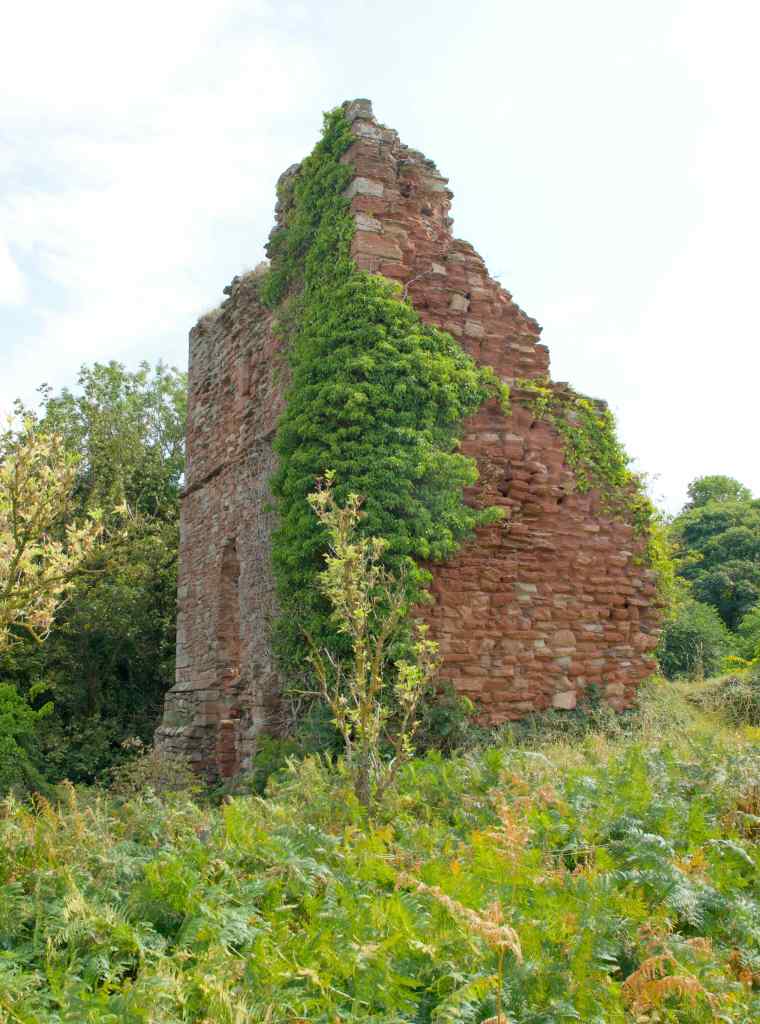
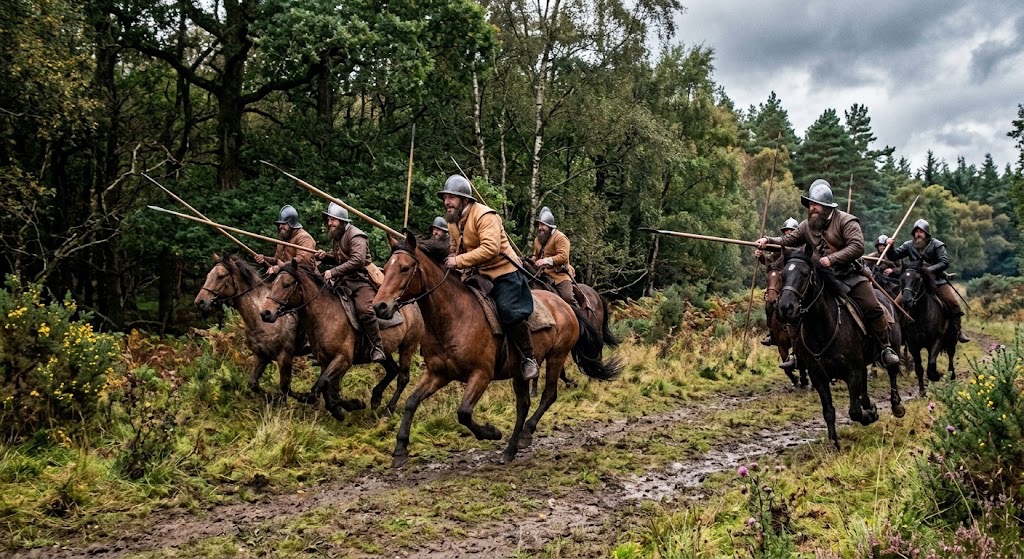
Much of its active life was during a period of widespread lawlessness caused by Border Reivers. Their constant raiding and plundering on both sides of the border resulted in a landscape “peppered with fortified bastle houses and tower-houses.” Yet while Cockburnspath Tower resembled a taller Tower House, its strategic position ensured it played a broader role in regional security.
Indeed, the tower’s location, controlled by influential families like the Dunbars and Douglases, made it a key centre for law enforcement. Securing the Great North Road was vital for trade and military movement against both English armies and raiding Reivers.
After the union of the crowns in 1603, life along the Anglo-Scottish border became more peaceful, and the need for a military outpost declined.
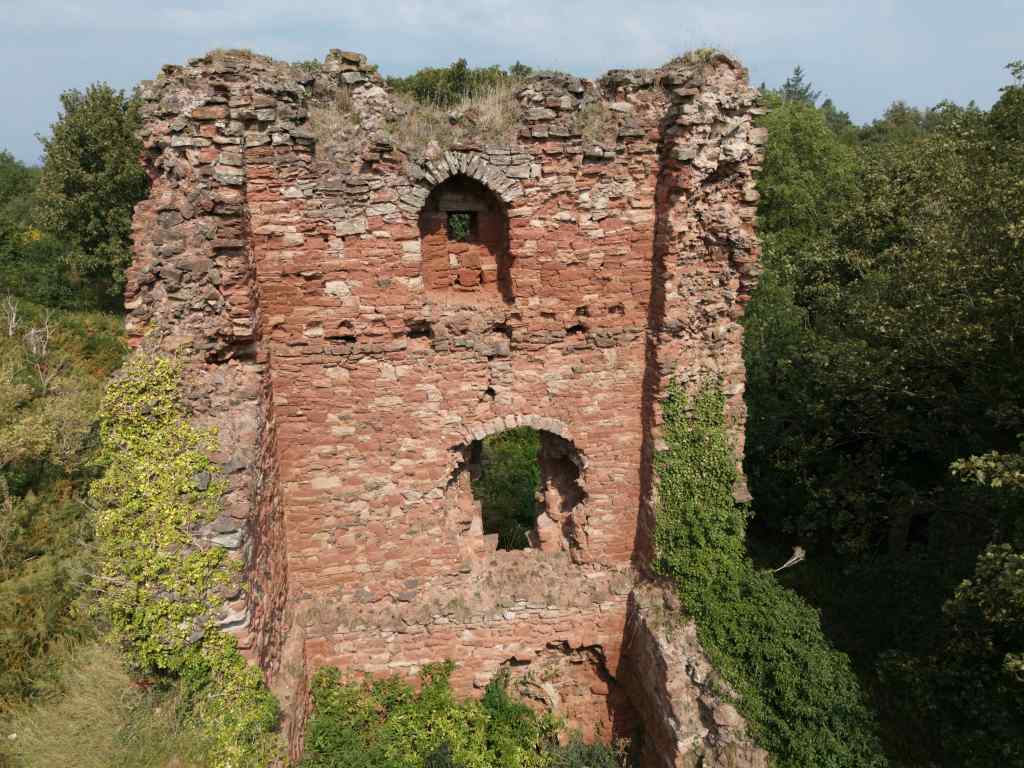
Today, the crumbling walls are overgrown, with trees causing further damage. Major collapses in recent years have left rubble at the base. To see the tower, start at the first bend on the A1107, just off the main A1 trunk road (there is a space to park off-road). Look for the footpath from the roadside and follow it through the wooded area and over the old bridge. Continue a short distance until you reach the remains of the tower.
Cockburnspath Tower remains a striking ruin despite extensive damage. Its surviving masonry bears witness to over seven centuries of feudal and royal ownership, intertwined with dynastic politics and conflicts.
Further reading
Alastair MT Maxwell-Irving, 2014, The Border Towers of Scotland Volume II (Maxwell-Irving)
Eric Rankin, 1981, Cockburnspath, A Documentary Social History of a Border Parish (T&T Clark)
Historic Environment Scotland Portal




Leave a Reply