
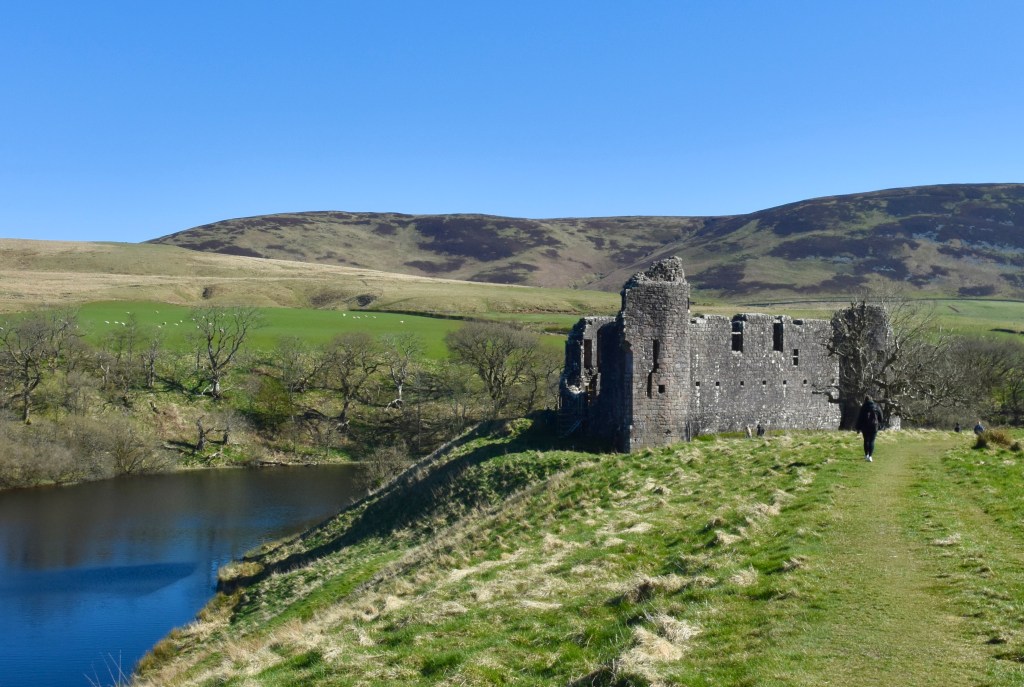
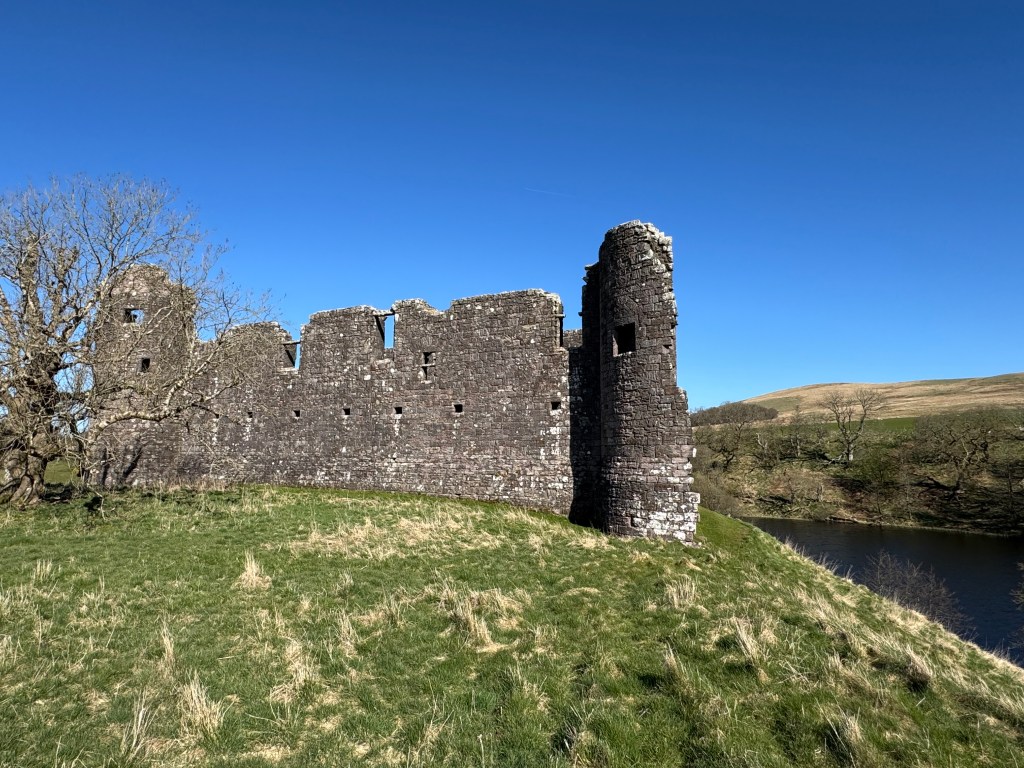
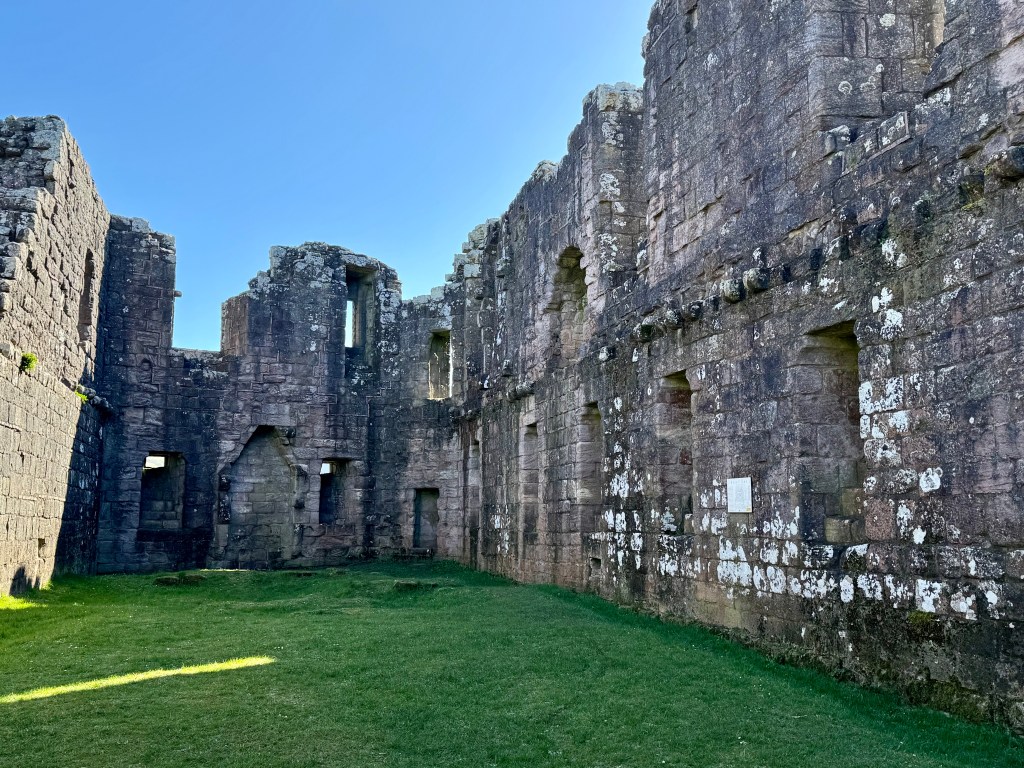
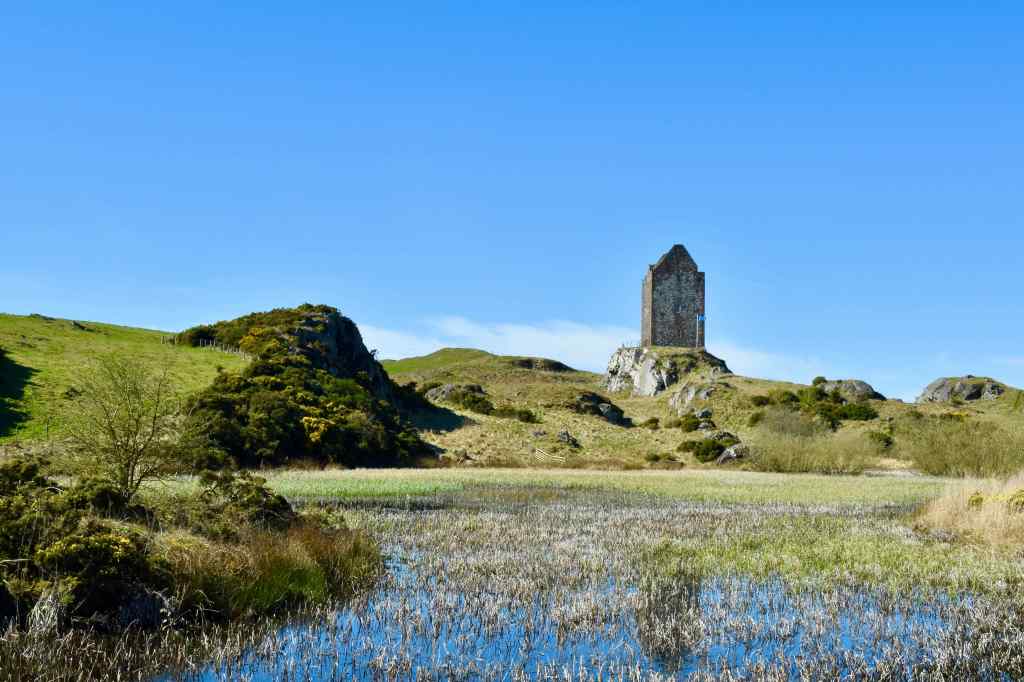
Set against the Lowther Hills, Morton Castle is a remote ruin stood on a triangular hill overlooking Loch Morton in Dumfries and Galloway. It is a good example of a hall-house, a type of fortification with a first-floor hall above an undercroft. It was originally built, most likely in the early 14th century, and consists of a ruinous oblong block, with a gatehouse at the southwest and a circular tower at the southeast corner.
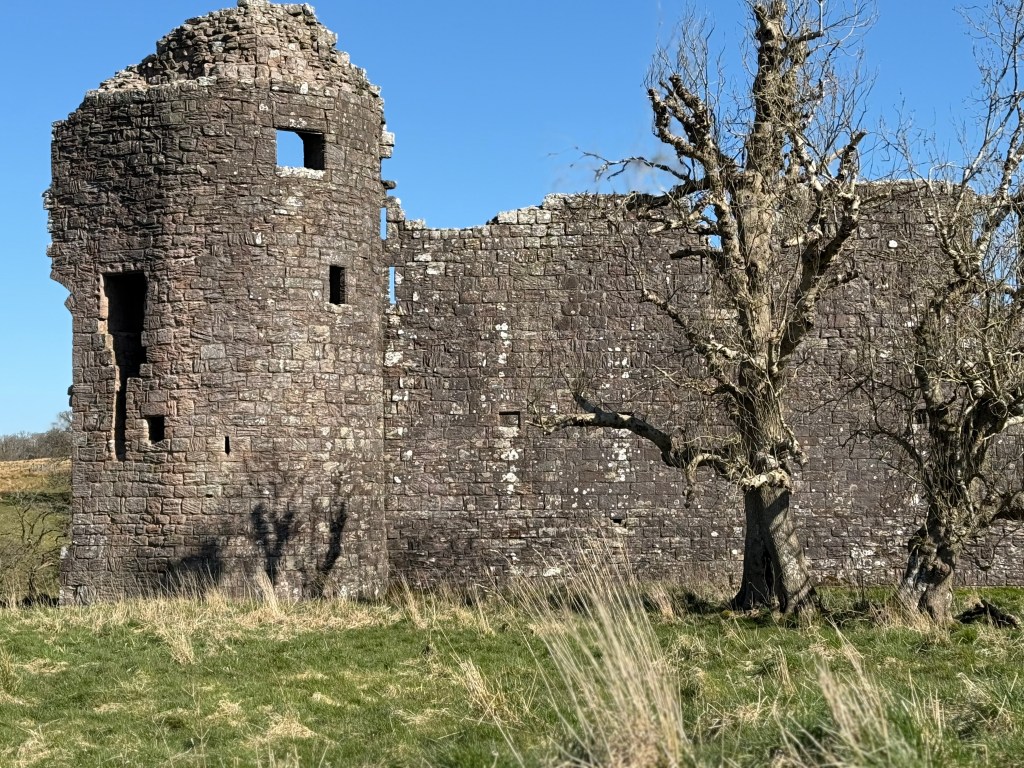
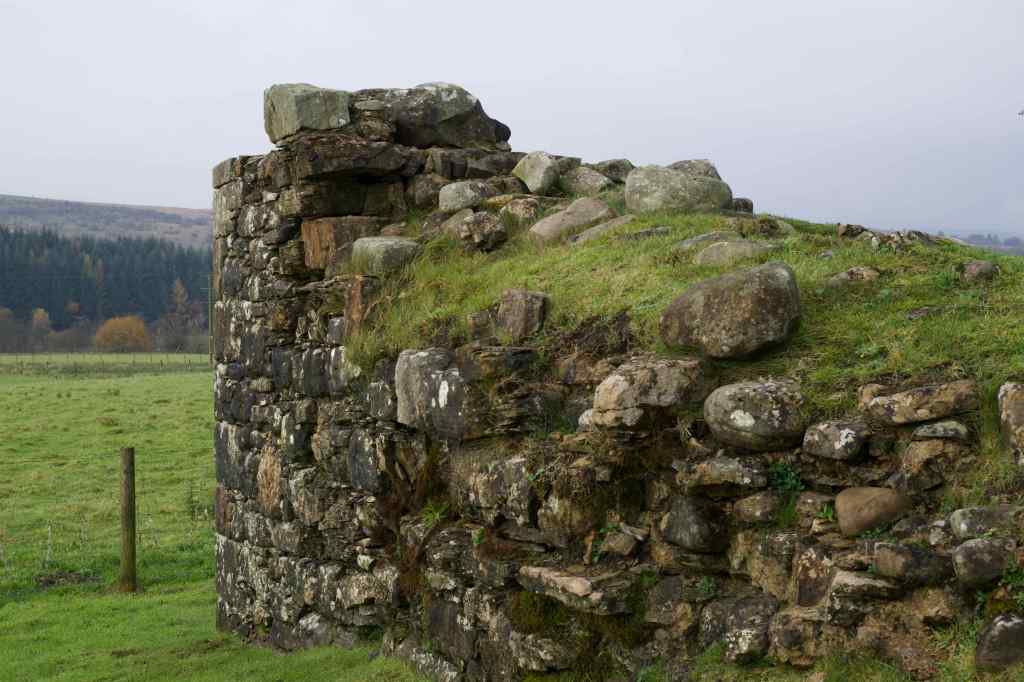
Throughout, the walls are faced with ashlar masonry, a silver-grey sandstone of local extraction. In the gatehouse area, only half of the passage and one of the flanking D-shaped towers remain standing.
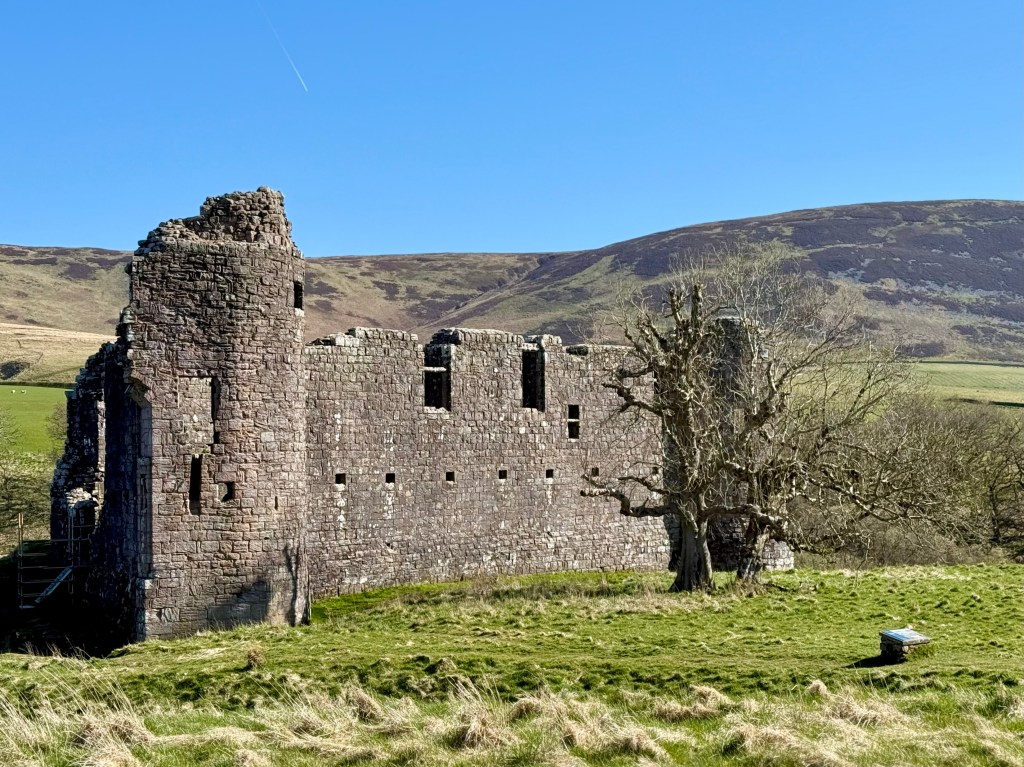
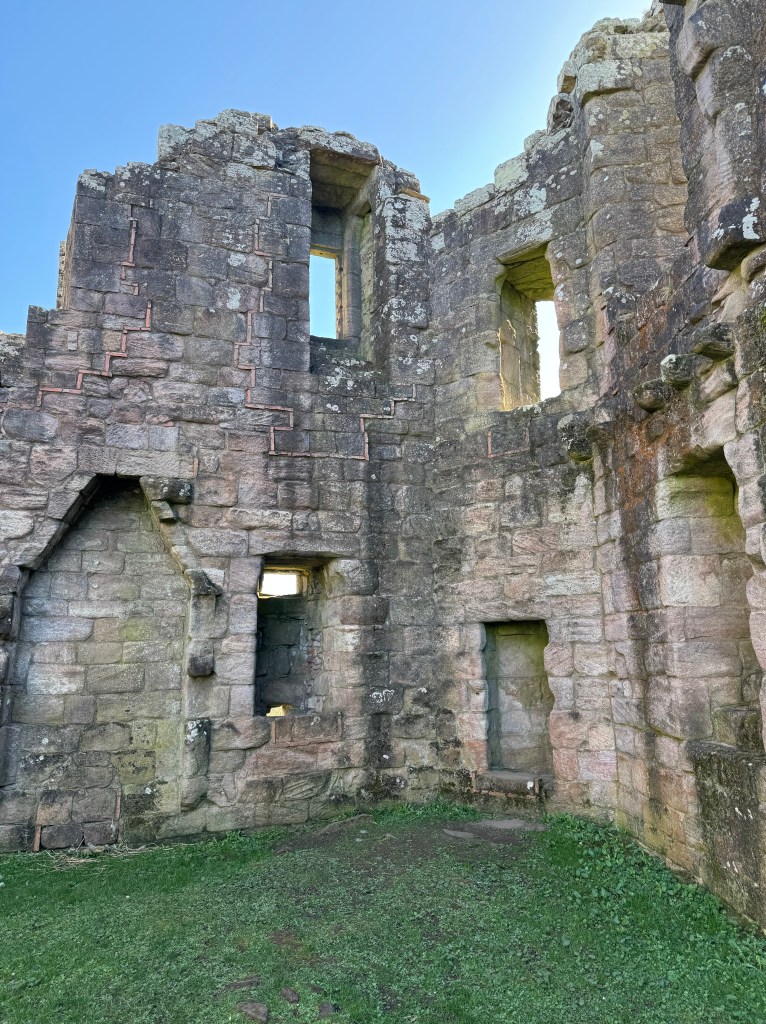
The basement of the adjacent tower contained a prison which was lit and ventilated only by a small aperture. The fragmentary circular tower at the southeast corner suggests private chambers for the lord, but these could also have been contained in the gatehouse.
Enough of the structure remains to show that the gate passage was protected by a drawbridge, a portcullis and two pairs of doors.
Morton Castle was one of thirteen castles ordered to be destroyed under the Treaty of Berwick in 1357, which secured the release of David II from English captivity. It was later rebuilt, possibly in the early 15th century, by the Earls of March
The site may have been occupied as early as the 12th century by Dunegal, Lord of Nithsdale. By 1307, Thomas Randolph, Earl of Moray and nephew of Robert the Bruce, held the lands and possibly constructed the original castle.
In 1459, Morton Castle was acquired by James Douglas of Dalkeith, later Earl of Morton. The castle remained under Douglas family control for centuries but suffered damage during a period of political and religous conflict. In 1588, it was burned by James VI during his campaign against the Catholic Lord Maxwell (who briefly held the castle after the execution of the 4th Earl of Morton, James Douglas). Ownership otherwise remained with the Douglases.
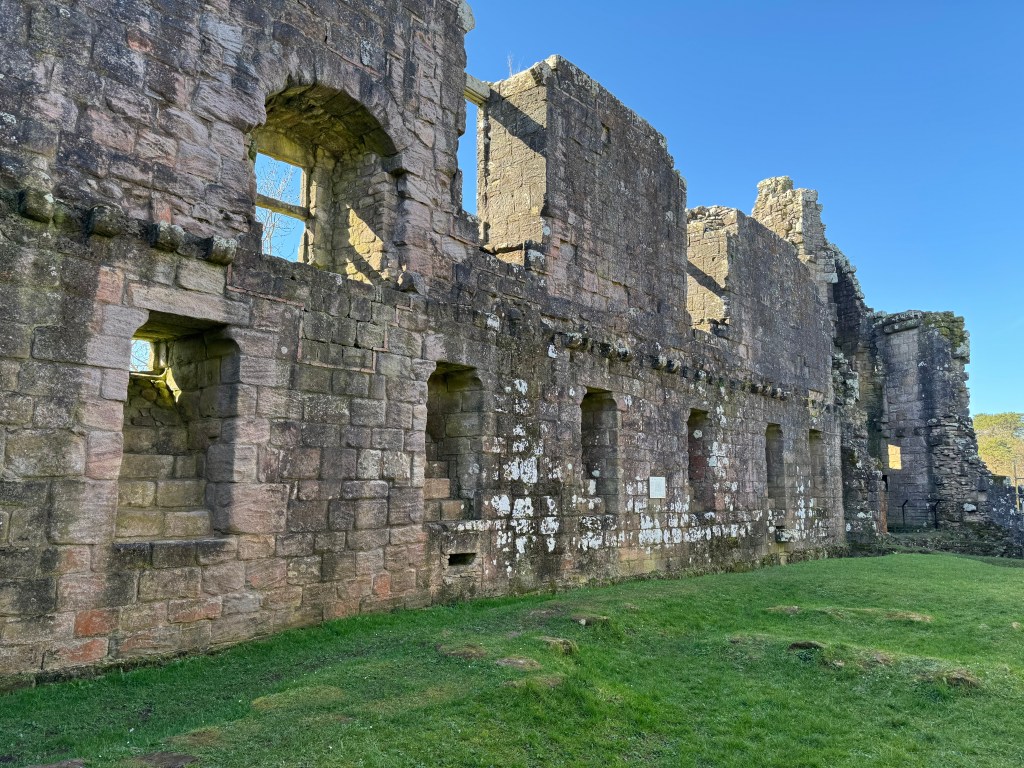
Sometime before 1714, Morton Castle was probably repurposed, as evidenced by the the remaining south wall. Here, large, fine arched windows and a lack of arrow loops suggest that it was either built or remodelled as a hunting lodge, before being abandoned entirely.
In the 18th century, an artificial loch was created around the castle by damming nearby marshland.
The castle was used as a film location in the 1978 version of The Thirty-Nine Steps.
Morton Castle is quite remote, so it’s best to get there by car. Also, be aware that your satnav may send you too far up the A702 by mistake. Coming from Dumfries, 16 miles (26 km) to the south, take the A702 at Carronbridge. After about 1.4 miles (2.2 km), take the minor road on the right (to the east), which climbs rapidly, and go straight over at the crossroads. The road becomes unsurfaced and the castle is a further half a mile (800 metres) along the track. There is a small clearing where you can park.
The castle is open year-round, and admission is free. It is managed by Historic Environment Scotland.
Further reading
Martin Coventry, 2025, The Castles of Scotland (sixth edition), Goblinshead
Adrian Pettifer, 2024, Scottish Castles, The Boydell Press



 Thistle & Time
Leave a comment