
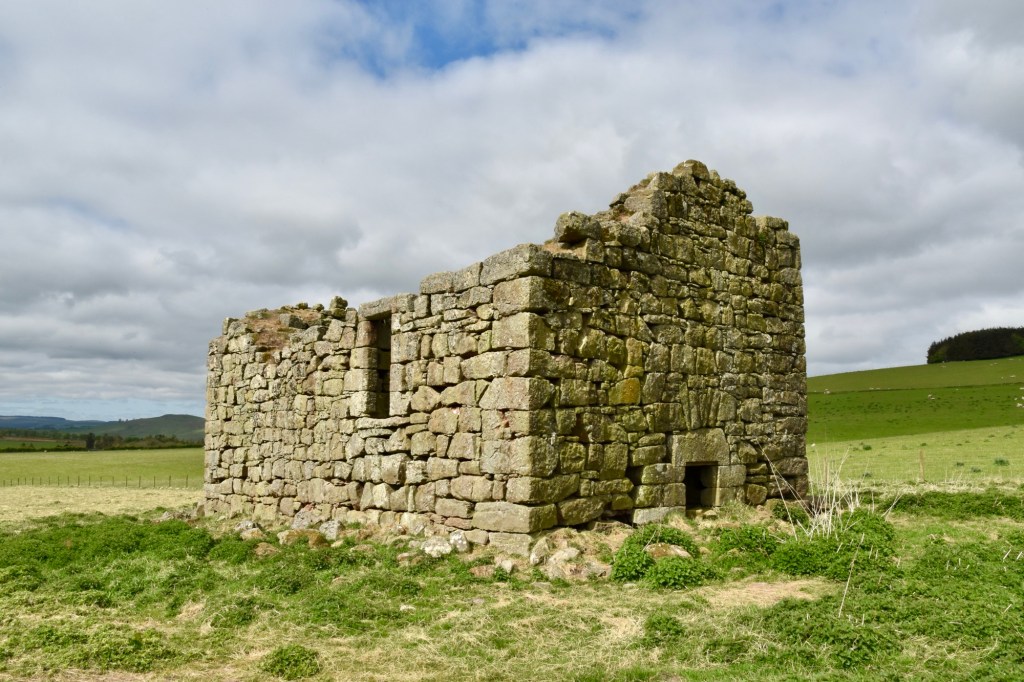
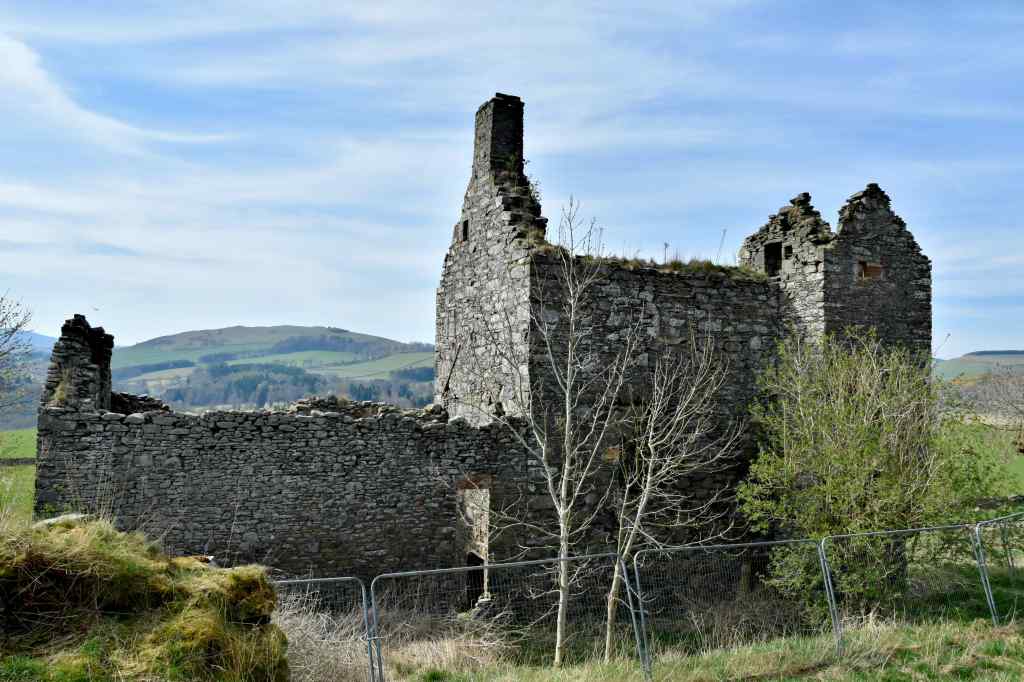
Kilnsike Tower is a ruined but excellent example of a 16th-century bastle house (a fortified farmhouse). It was built for protection during the tumultuous period when cross-border raiders, known as reivers, operated along the Anglo-Scottish border. It is situated approximately five miles (8 km) south and slightly west of Jedburgh.
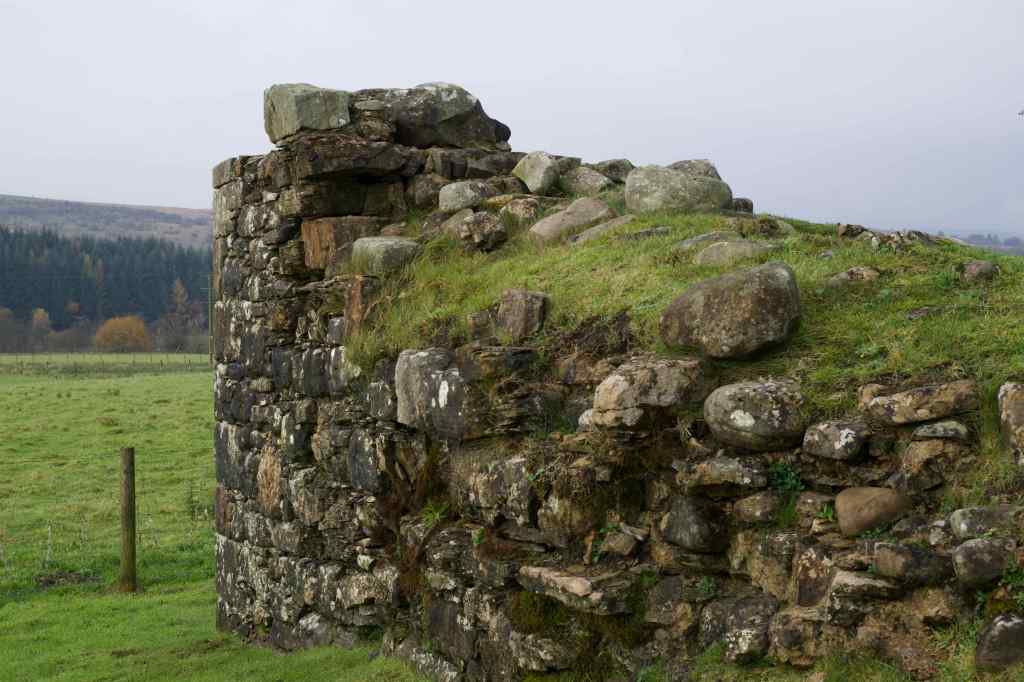
Of particular interest today is the massive stones used in the corners. It would not have been easy to lift such large pieces into the correct position.
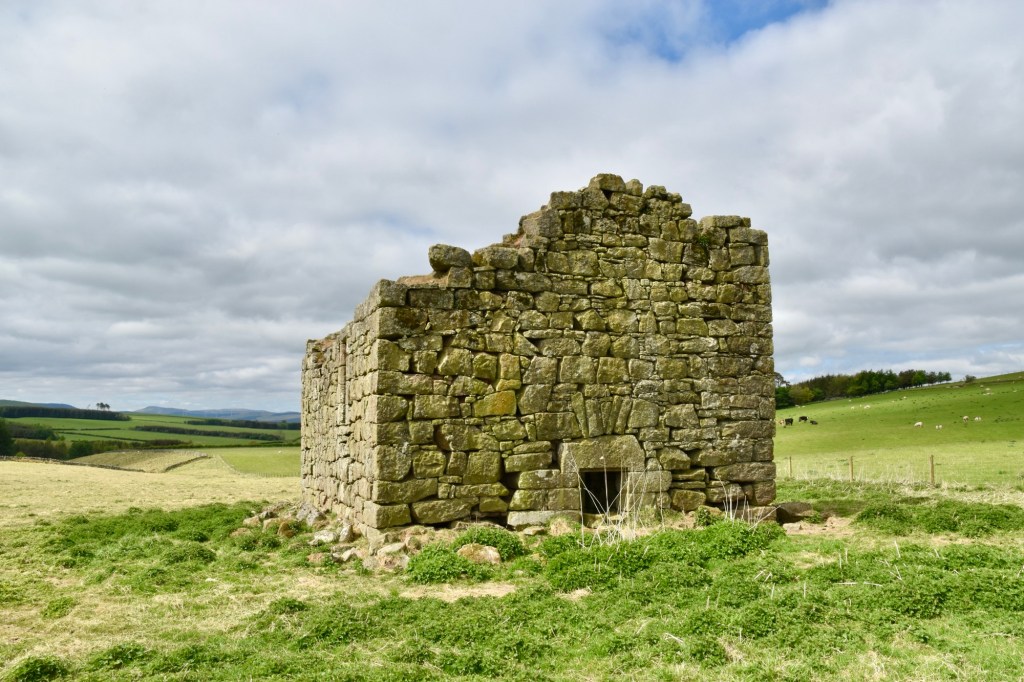
The north wall is missing, and the remaining walls rise only to the first floor. What might look like a window in the south wall is a door. This would have been accessed by an external stairway that could be removed in times of danger, isolating the occupants from the attackers below. It would have opened into the main living area of the tower.

The basement was likely used to shelter livestock when raiders were in the area. It has an entrance in the east gable end, although much of the basement itself has since been covered over by soil.
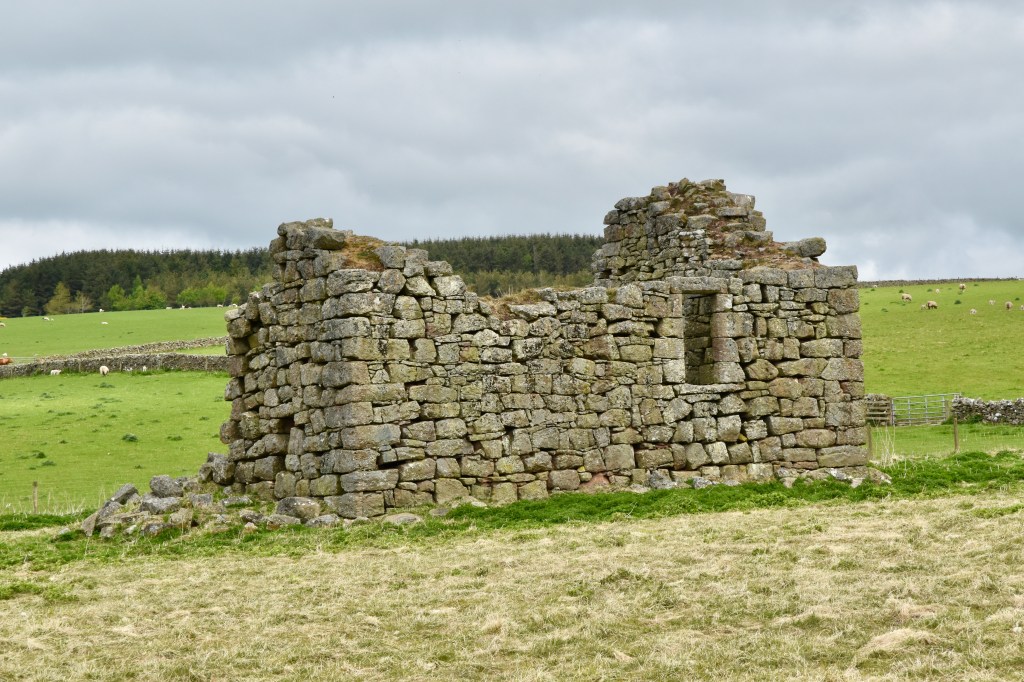
The absence of narrow slit windows in the remaining walls suggests that structural integrity was a priority over light and ventilation. This further emphasises the tower’s primary function as a defensive refuge rather than a comfortable dwelling.
There are no records to say who lived at the Kilnsike Tower. We know that nearby Slack’s Tower was a seat for the Oliver family, so Kilnsike may have been used by their wider family or associates. What’s more, it is feasible that, as well as needing protection from Border Reivers, the occupants of Kilnsike Tower may have been involved in reiving themselves. Indeed, reiving was quite normal during the 16th century.
Nor are there any records to confirm whether or not the tower was attacked in any specific raids or during the war of Rough Wooing.
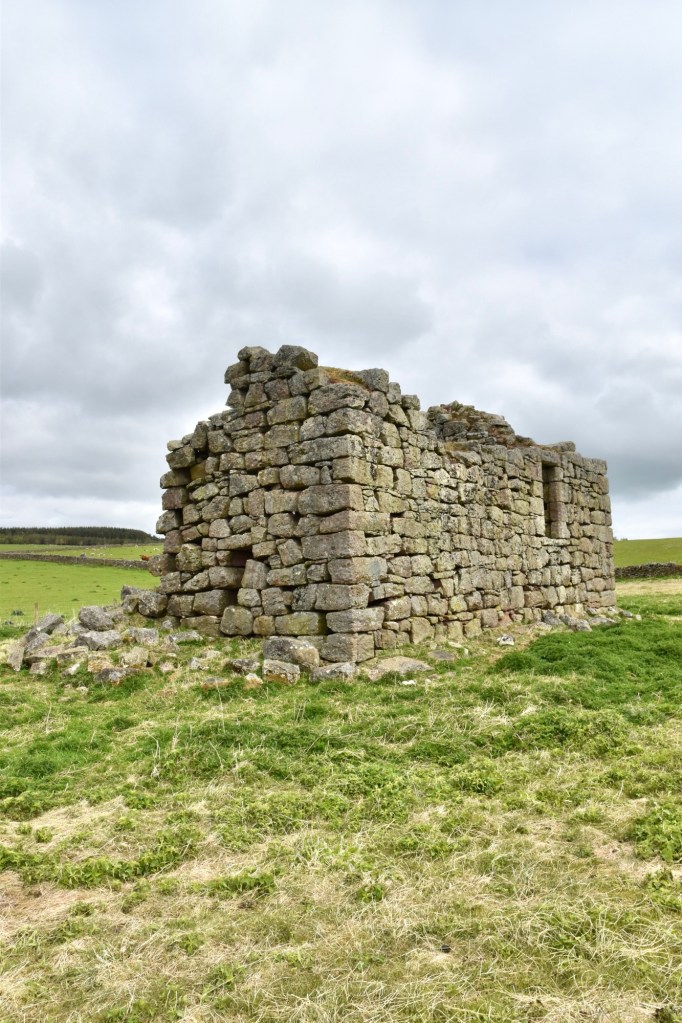
Getting to the tower may look straightforward on a map – it is visible about 3 miles (5 km) down the minor road that runs south west from the A68 towards Chesters. However, a closer look requires a walk of about 250 metres over two fields, and if secured with twine, possibly climbing over a gate. The first field may contain livestock, but it will also be very uneven, and perhaps waterlogged if it has been raining. The second field, containing the tower, is mostly covered with grasses.
Kilnsike Tower: OS Map Grid Reference: NT 634 130
Further reading:
Mike Salter, 1994, The Castles of Lothian and The Borders (Folly Publications)



 Thistle & Time
Leave a comment